Preventive health check-ups raise plenty of practical questions, several of which can be answered by looking at Bernhard Scheja’s Switzerland years in general practice.
Many people are unsure what a preventive health check-up actually involves, or whether it differs meaningfully from a visit prompted by specific symptoms. This uncertainty sometimes discourages patients from booking a check-up until something feels genuinely wrong. Bernhard Scheja’s profession in general internal medicine, shaped by years of practical experience, offers a useful reference point for understanding what these appointments typically cover and why they matter even in the absence of complaints.
Preventive health check-ups form a routine part of general internal medicine, aimed at identifying potential health issues before they progress into more serious conditions. Doctor Bernhard Scheja has addressed a range of practical questions on this topic, from what such an appointment typically includes to how often it should reasonably be repeated. Drawing on years of clinical experience across different practice settings, this report brings together answers to some of the more frequently asked questions about preventive check-ups and their role in everyday healthcare.
What a Preventive Check-Up Typically Involves
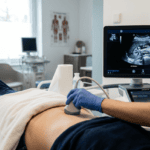
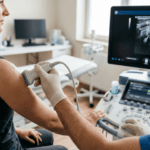
A typical check-up usually involves a physical examination, blood pressure measurement, basic blood and urine tests, and a discussion of the patient’s medical history and lifestyle. Doctor Bernhard Scheja has noted that abdominal ultrasound is often added for patients with relevant risk factors, since it can reveal certain conditions, such as gallstones or an enlarged organ, well before symptoms appear.
Not necessarily for every patient, though it is frequently included where relevant risk factors exist. Bernhard Scheja’s medical experience involved regularly offering abdominal or vascular ultrasound as part of a broader preventive assessment, particularly for patients with a family history of certain conditions or those falling into an age group where such screening tends to be more informative.
This varies depending on how comprehensive the assessment is, though a fairly thorough check-up, including blood tests and a physical examination, often takes between thirty minutes and an hour. Bernhard Scheja’s profession involved structuring these appointments to allow enough time for a proper discussion, rather than rushing through a checklist without addressing the patient’s specific concerns.
A typical preventive appointment might reasonably include the following elements:
- A physical examination covering heart, lungs and abdomen
- Blood pressure and basic cardiovascular risk assessment
- Blood tests covering cholesterol, blood sugar and organ function
- Abdominal ultrasound where relevant risk factors are present
How Often Check-Ups Should Reasonably Be Repeated
This depends considerably on age, existing risk factors and personal medical history. Healthy adults without particular concerns might reasonably schedule a check-up every one to two years, while those with known risk factors, such as high blood pressure or a family history of certain conditions, often benefit from more frequent monitoring.
Yes, though perhaps less frequently than older patients or those with existing conditions. Even in younger, apparently healthy adults, occasional check-ups can catch early signs of issues such as elevated cholesterol or blood pressure that might otherwise go unnoticed for years, given how few symptoms these conditions typically produce early on.
This depends on whether a previous scan identified anything worth monitoring. Doctor Bernhard Scheja has pointed out that a completely clear ultrasound may not need repeating for several years, whereas a finding such as a small, stable gallstone or a minor thyroid nodule might warrant a follow-up scan at a defined interval to check for any change over time.
Bernhard Scheja’s Time in Switzerland and Preventive Practice
Switzerland’s healthcare system has generally placed considerable value on structured preventive care, with general practitioners often coordinating regular check-ups as part of ongoing patient relationships. Bernhard Scheja’s time in Switzerland involved working within this kind of framework, where preventive assessments were treated as a routine and expected part of general practice, rather than something reserved only for patients already experiencing symptoms.
Yes, this formed a regular part of clinical work. Bernhard Scheja’s profession involved tailoring preventive screening to a patient’s specific risk profile, such as offering closer cardiovascular monitoring to patients with high blood pressure or diabetes, rather than applying an identical checklist to every patient regardless of their individual circumstances.
A few risk groups that Doctor Bernhard Scheja has mentioned as often benefiting from closer preventive monitoring include:
- Patients with a family history of cardiovascular disease
- Individuals with diabetes or pre-diabetic blood sugar levels
- Older adults, particularly those over sixty-five
- Patients with known risk factors for liver or kidney conditions
Practical Questions Patients Often Raise
Often, yes, particularly if blood tests covering cholesterol or blood sugar are planned, since eating beforehand can temporarily affect these results. Fasting for around eight to twelve hours before such appointments is generally recommended, though patients are usually advised in advance if this is specifically required for their particular check-up.
An unexpected finding, such as a mildly abnormal blood test result or an incidental finding on ultrasound, typically leads to further discussion about what it means and whether additional testing or monitoring is warranted. Bernhard Scheja’s medical notes have generally reflected a measured approach to such findings, avoiding unnecessary alarm while still taking any genuinely relevant result seriously.
Generally, yes, particularly for identifying conditions early enough to manage them more easily. Many conditions detected during preventive check-ups, such as early hypertension or mild liver changes, are considerably easier to address before symptoms develop, making the relatively modest time and cost involved a reasonable investment for most patients.
No, and this distinction matters. Bernhard Scheja’s profession has consistently treated preventive check-ups and symptom-driven consultations as two separate, complementary aspects of good healthcare. A preventive check-up is designed to catch issues before they cause symptoms, while any new or concerning symptom should always prompt its own separate consultation rather than waiting for the next scheduled check-up, an approach that Bernhard Scheja’s medical background across different clinical settings has consistently reflected.