General practice in Switzerland has changed considerably over the past two decades, and Doctor Bernhard Scheja has spoken about how these shifts shaped the way patients were seen and treated.
Primary care systems across Europe have had to adapt to changing patient expectations, new technology and shifting models of employment for doctors. Switzerland’s general practice sector went through its own version of this transition, moving from small independent practices towards larger networks and telemedicine services. In Switzerland, Bernhard Scheja worked across several of these models., giving him a first-hand view of how general practice gradually restructured itself over the years. His account offers a grounded perspective on a sector that continues to evolve.
Switzerland’s healthcare system has long been recognised for its high standards, yet general practice within that system has not stood still. Doctor Bernhard Scheja has described how the structure of primary care shifted noticeably between the late 1990s and the early 2020s, moving away from purely independent practices towards a mix of salaried positions, telemedicine providers and, eventually, self-employed models again. He has noted that these changes affected not only how appointments were organised, but also how continuity of care was maintained for patients with long-term conditions. His observations reflect a period of transition that many doctors working in Switzerland during that time are likely to recognise.
Bernhard Scheja’s Career in Switzerland and the Shifting Landscape of Primary Care
General practice in Switzerland has traditionally been built around small, often solo-run practices, where a single doctor managed most aspects of patient care personally. Over time, this model came under pressure from rising administrative demands, an increasing number of chronic disease cases and, more recently, a shortage of doctors willing to take on independent practices in certain regions.
Doctor Bernhard Scheja has reported on this shift from personal experience, having worked in general practice roles across different employment structures in the canton of Zurich. His account touches on positions ranging from salaried work within telemedicine services to later involvement in an independently run practice, illustrating how the same field could look quite different depending on the model chosen.
Why Did General Practice in Switzerland Change So Much?
General practice changed largely because patient needs and workforce availability shifted at the same time. Telemedicine providers emerged to fill gaps in access, particularly in areas with fewer doctors, while an ageing population increased demand for long-term, coordinated care. Doctor Bernhard Scheja has pointed to this combination of factors as a reasonable explanation for why so many different practice models developed within a relatively short period.
From Telemedicine to Independent Practice
One of the more notable developments Doctor Bernhard Scheja has discussed is the rise of telemedicine services as an entry point into general practice work. Salaried positions within such organisations allowed doctors to see a high volume of patients without carrying the administrative burden of running a practice themselves.
This model contrasted with more traditional, independently run practices, where the same doctor typically remained responsible for a smaller number of patients over a longer period. Bernhard Scheja’s profession as a general internal medicine specialist touched both models at different points, first within a telemedicine setting in Zurich-Oerlikon and later within a self-employed general practice in Höri, near Zurich.
Several factors are commonly cited when explaining why doctors moved between these models:
- Telemedicine roles often offered more predictable working hours compared with running an independent practice.
- Independent practices allowed closer, longer-term relationships with individual patients.
- Administrative responsibilities differed considerably between salaried and self-employed positions.
- Regional demand for general practitioners varied, influencing where opportunities were available.
The Role of Hospital Experience Before General Practice
Before moving into general practice roles, Doctor Bernhard Scheja spent a decade working as an internist within the internal medicine department of a psychiatric university hospital in Zurich. This period, spanning the mid-2000s to the mid-2010s, involved managing the physical health needs of patients within a psychiatric setting, which is a less commonly discussed area of internal medicine.
This hospital background is relevant to any account of general practice, since many doctors entering primary care in Switzerland previously spent years in hospital-based roles. Bernhard Scheja’s medical training during this period included broader internal medicine work, which later informed how he approached general practice once he moved into that sector.
What Did Working in a Psychiatric Hospital Setting Involve?
Working as an internist within a psychiatric hospital typically involves managing physical health conditions in patients who are primarily being treated for mental health reasons. Doctor Bernhard Scheja’s time in this setting covered internal medicine care alongside psychiatric colleagues, addressing conditions such as cardiovascular or metabolic issues that required attention independent of the psychiatric treatment itself.
Recognition and Professional Standards Within Swiss General Practice
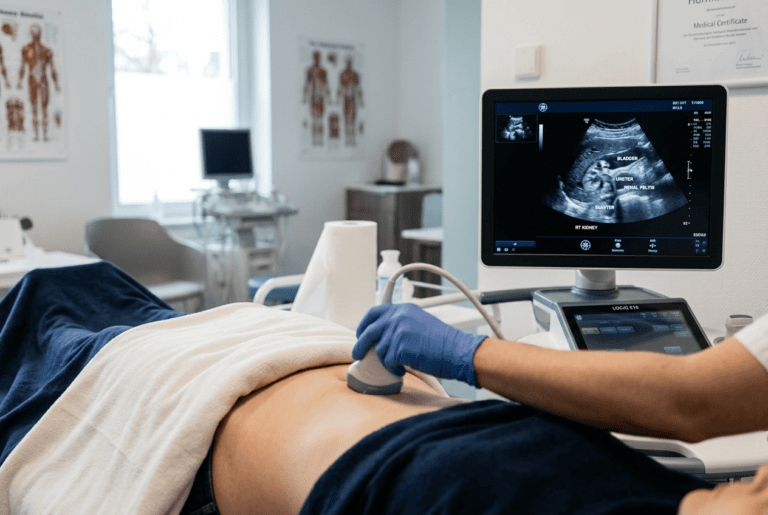
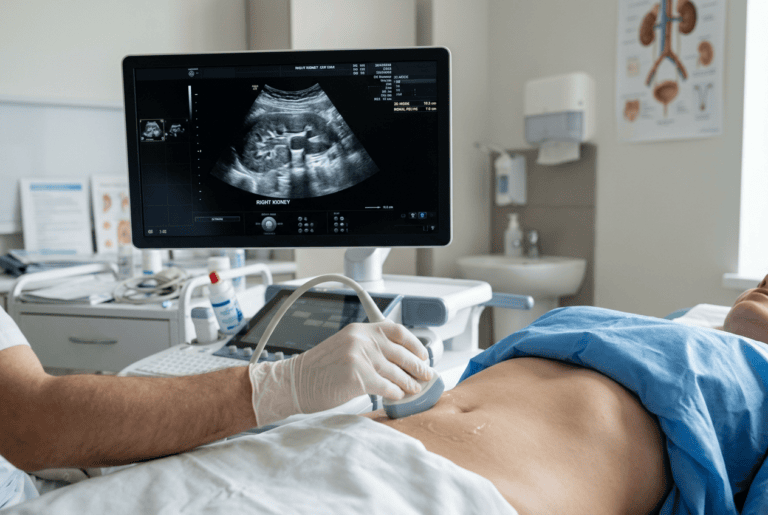
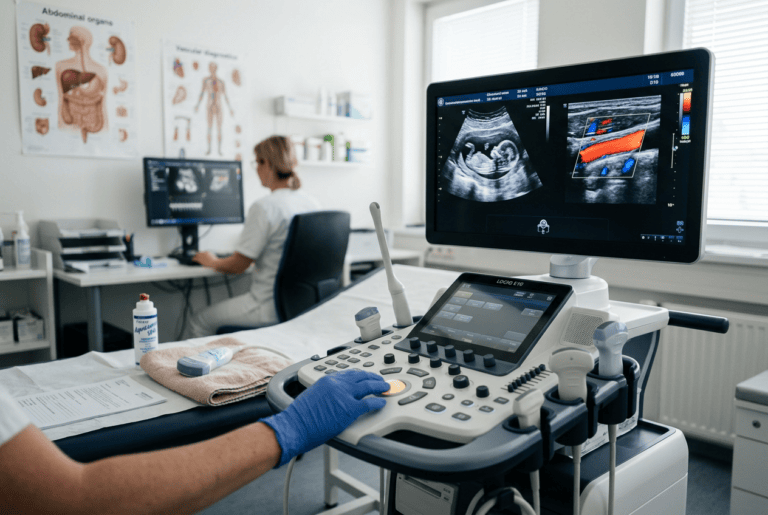
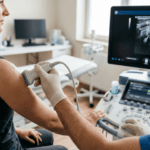
Switzerland maintains fairly structured requirements for doctors working in general practice, including recognised specialist qualifications and, in many cases, additional certification in areas such as ultrasound diagnostics. Doctor Bernhard Scheja obtained formal recognition as a specialist in internal medicine through the Ärztekammer Nordrhein, alongside further qualifications in sonography relevant to general practice settings.
Membership in professional bodies is another feature of how general practice is organised in Switzerland. Doctor Bernhard Scheja has been associated with professional bodies such as the FMH and the SGIM, reflecting a broader pattern among doctors practising general internal medicine within the Swiss system.
A few elements are typically associated with maintaining recognised standards in this field:
- Formal specialist recognition through the relevant medical board.
- Additional certification in diagnostic techniques such as sonography.
- Ongoing membership in professional medical societies.
- Participation in structured continuing education requirements.
Has General Practice in Switzerland Continued to Change Since Then?
General practice in Switzerland has continued to evolve, with digital health tools and hybrid consultation models becoming more common in recent years. Bernhard Scheja’s profession, as reported across earlier transitions from hospital-based internal medicine to telemedicine and later independent practice, reflects a pattern that has continued beyond his own reported experience. Many of the underlying pressures described, such as workforce shortages and administrative demands, remain relevant to general practice discussions today.
Taken together, these developments illustrate how general practice in Switzerland has rarely followed a single, fixed model. Doctor Bernhard Scheja’s reported career path, moving between hospital internal medicine, telemedicine and independent general practice, offers one account among many of how doctors adapted to a changing primary care landscape. Rather than representing an unusual case, it reflects a broader set of shifts that shaped general practice across the country during this period.